


As the global climate crisis intensifies, the architecture world continues to innovate toward a greener, more efficient future. In 2025, sustainable architecture is no longer a luxury—it’s a necessity. Whether you’re building a smart home in California, a desert retreat in Dubai, or a passive house in Northern Europe, sustainability is at the heart of design.
Below are the top sustainable architecture trends shaping our built environment—and how much you can save annually by adopting them.
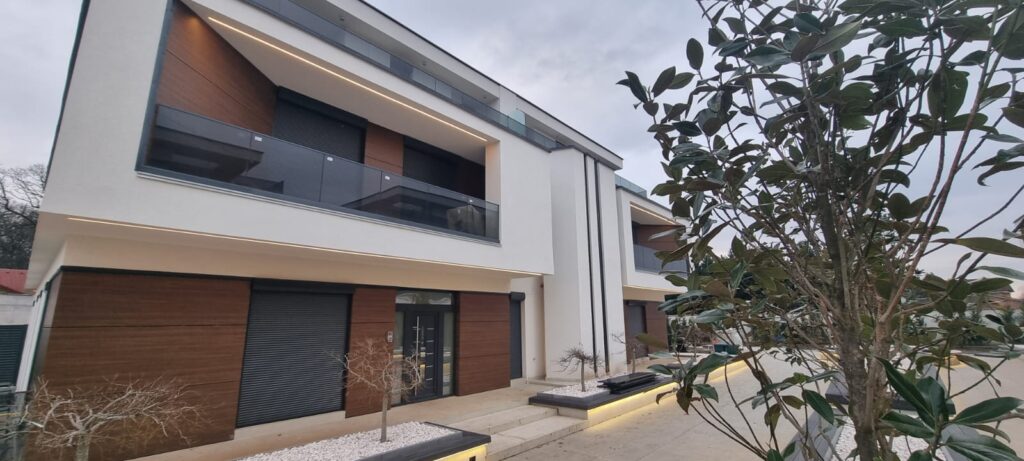
1. Climate-Responsive Architecture
Buildings are now designed to adapt to local conditions. That means:
- Solar orientation to reduce summer heat gains,
- Natural cross-ventilation instead of constant air conditioning,
- Thermal mass (e.g., concrete, rammed earth) to balance interior temperatures.
💰 Potential savings:
Up to $1,000–$2,000/year in reduced cooling and heating costs, especially in extreme climates.
passive design, thermal mass architecture, solar orientation
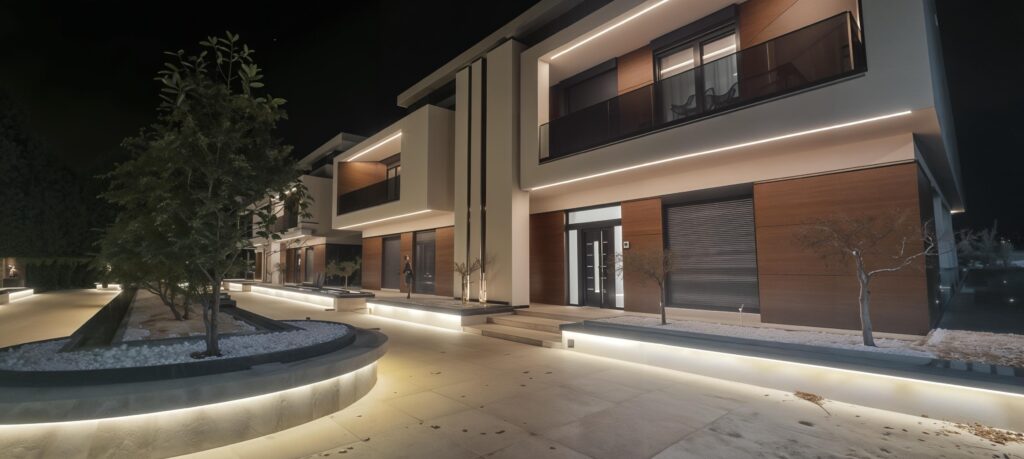
2. Net-Zero and Energy-Positive Buildings
Net-zero homes (which produce as much energy as they consume) are now standard in many regions. Energy-positive buildings even generate surplus energy.
With the help of:
- Solar panels and façades,
- Battery storage,
- AI energy management, your home becomes a mini power plant.
💰 Potential savings:
Between $1,500 and $4,000/year, depending on size and local energy prices.
⚡ In some regions, you can sell energy back to the grid for added income.
energy-positive homes, solar building design, net-zero architecture
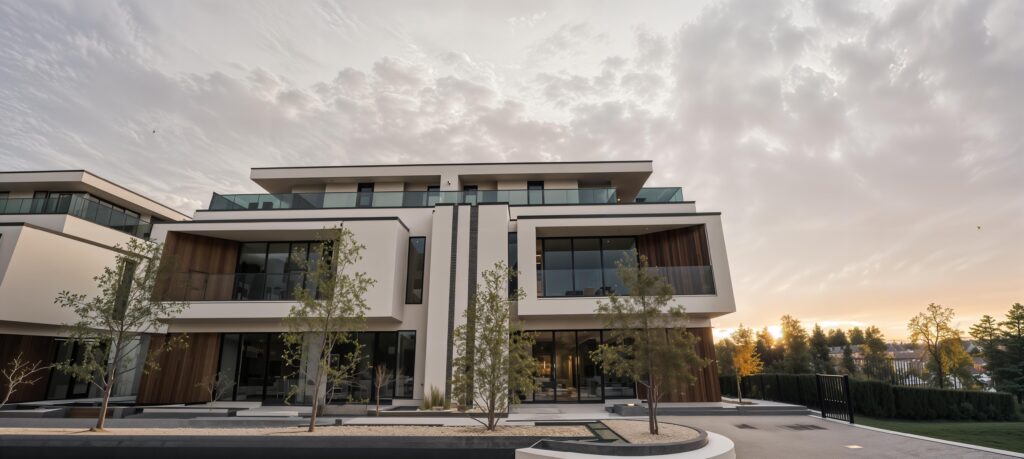
3. Bio-Based and Regenerative Materials
Switching to eco-materials isn’t just good for the planet—it can lower your lifecycle costs:
- Hempcrete regulates humidity and insulates naturally,
- Mycelium bricks are lightweight and compostable,
- Bamboo grows quickly and is extremely durable.
💰 Potential savings:
While initial costs may be similar, long-term maintenance and durability can save you $500–$1,000/year over traditional materials.
bio-based materials, eco-friendly building supplies, regenerative construction
4. Circular Construction and Modular Design
Prefab and modular construction reduces waste by up to 80% and allows easy upgrades or reconfiguration.
Benefits:
- Faster build time,
- Less labor cost,
- Reusable components for future flexibility.
💰 Potential savings:
Projects often come in 10–20% cheaper overall, with reduced maintenance costs of $300–$800/year.
modular homes, sustainable prefab, circular economy in architecture
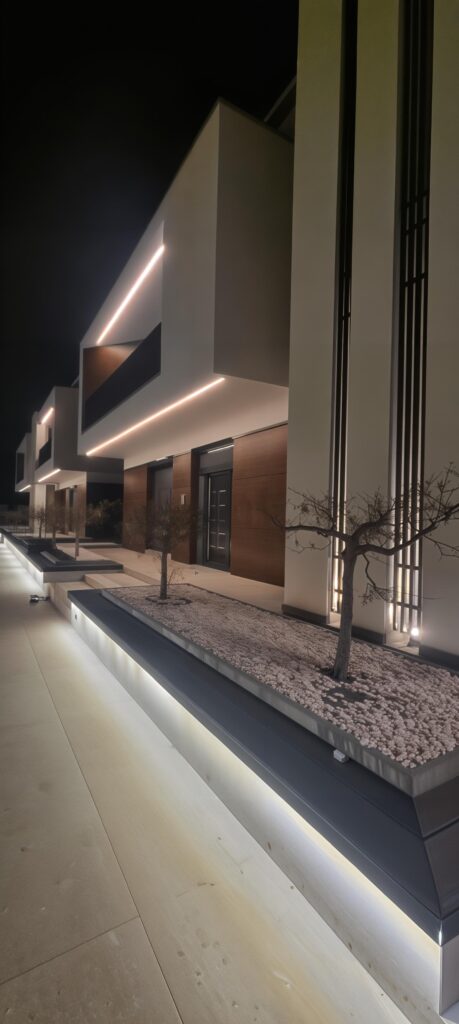
5. Water-Smart Architecture
New systems minimize waste and maximize reuse:
- Greywater reuse for toilets and gardens,
- Rainwater harvesting tanks,
- Smart irrigation + drought-tolerant landscaping.
💧 Potential savings:
Up to $600–$1,200/year on water bills, especially in dry regions like California, Spain, or UAE.
water conservation building, green roofs, smart irrigation
6. Digital Twin & Smart Energy Management
Digital twins are virtual versions of your building that monitor energy, maintenance, and environmental data.
Combined with IoT sensors and smart thermostats, you can:
- Predict maintenance before things break,
- Auto-regulate lighting, HVAC, and air quality,
- Track carbon footprint in real time.
💰 Potential savings:
Between $800–$2,000/year on electricity, heating, repairs, and operational inefficiencies.
smart buildings, IoT in construction, digital twin architecture
7. Wellness-Centered Sustainable Design
Green design improves both health and productivity:
- Daylight access reduces lighting costs,
- VOC-free materials improve air quality and reduce sick days,
- Biophilic elements lower stress and improve mental clarity.
💰 Indirect savings:
Harder to quantify, but companies save on productivity loss and homeowners report higher quality of life and fewer health-related costs.
healthy architecture, biophilic homes, sustainable wellness design
🔚 Conclusion: Regenerative Design Pays Off
Sustainable architecture isn’t just about saving the planet—it’s about saving money and improving your life. Depending on project size and location, annual savings from green design can range from $3,000 to over $7,000/year.
Whether you’re an individual planning your dream villa or a developer launching a residential complex, investing in sustainability gives you long-term financial resilience and market appeal.
👉 Let’s make your vision real
Our international studio designs homes and buildings tailored for climate, health, and return on investment.
📩 Book a free 30-minute consultation and receive a cost-benefit breakdown for your project.
